
Powering Possibility. Built for the Frontier.
Emergency Diesel Generators Built Around the Outage You Fear Most
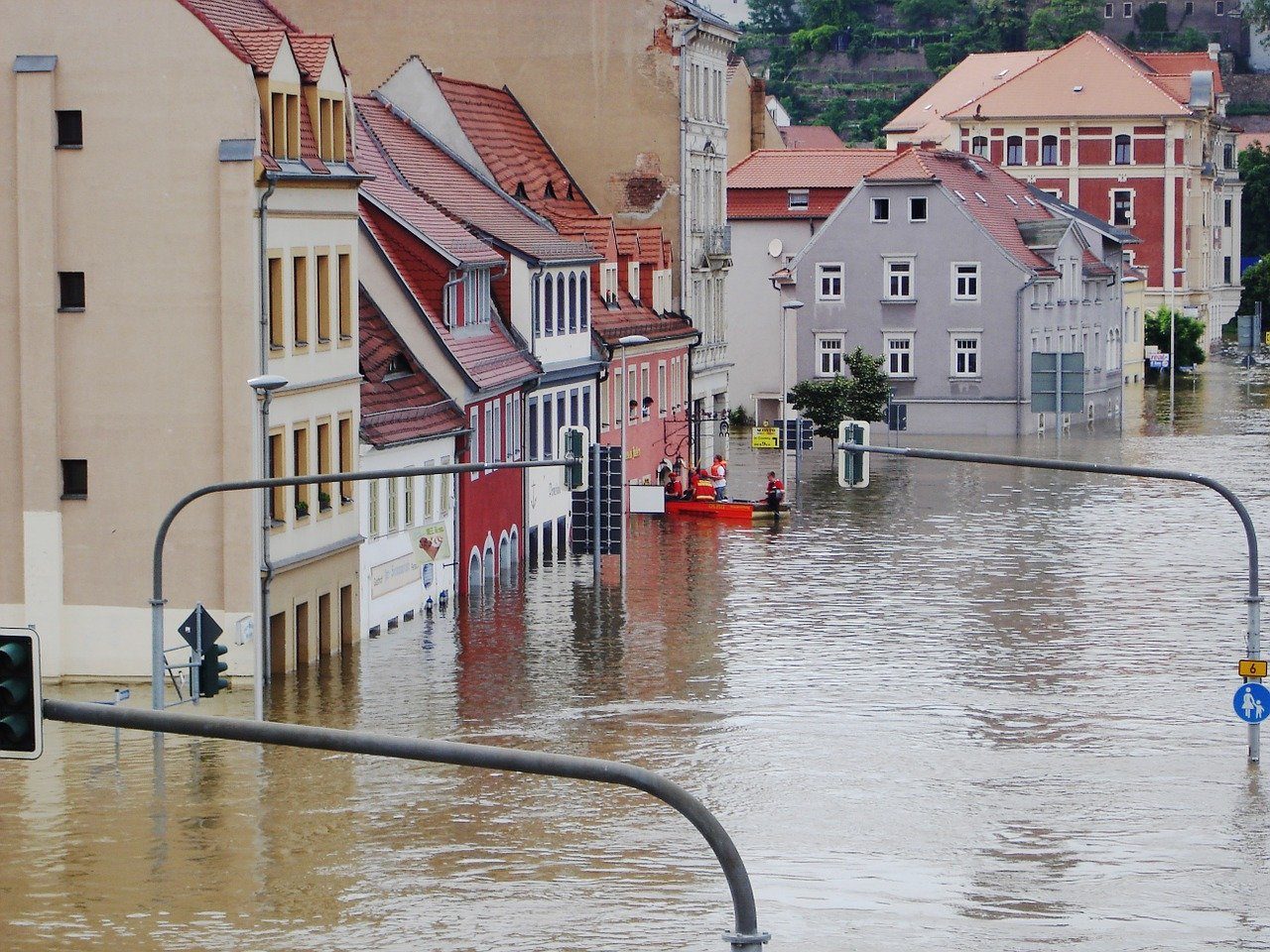
Every emergency power system is designed, knowingly or not, around a particular bad day. For a clinic it might be a four-hour grid fault on a hot afternoon. For a water utility it is a storm that takes out supply to the pumps while rain is still falling. For a high-rise it is the fire alarm that must keep lifts, smoke extraction and lighting alive. Naming that day first is how we design emergency diesel generators that actually cover it.
Start with the outage, not the generator
We ask three questions before we choose a set. What must keep running, and what can be shed? How long might the outage last? And how quickly must power return? The answers decide the rating, the fuel store, the transfer arrangement and whether one set is enough. Our emergency generator guide covers sizing, transfer switches and testing for each common case.
| Site | What usually must stay on | Points we design for |
|---|---|---|
| Hospital or clinic | Life safety, critical care, theatres, essential services | Fast transfer, redundancy, strict testing and records |
| Water or wastewater utility | Pumps, treatment, controls | Large motor starting, flood resilience, long autonomy |
| Commercial or residential building | Lifts, fire systems, lighting, security | Code compliance, noise, fuel storage on tight sites |
| Industrial plant | Safe shutdown, critical processes, IT | Selective loads, paralleling with process power |
Healthcare has the strictest demands of all; see hospital standby diesel design for how we approach it, and emergency diesel for water utilities for pumping sites.
Transfer, controls and the moment of switchover
The generator is only half the system. The transfer switch, its settings and the controls that start the set decide how long the building is dark. USP&E’s notes on transfer switch specifications explain the choices between open, closed and delayed transition, and the trade-offs for each.
Codes, emissions and permits
Emergency systems that serve life safety loads fall under specific codes, and the rules vary between countries. We design, install and test to the requirements that apply where the set will stand, and keep the records inspectors expect; our note on life safety rules for emergency diesel gives the background. Emissions limits also differ by location and by how many hours a year the set may run, which USP&E summarises in its guide to diesel generator emission standards.
Testing that proves it, not just starts it
- Weekly or monthly exercise runs, with the building load where practical. Idle runs prove little; weekly exercise testing covers what a useful exercise looks like.
- Periodic load bank tests that take the set through its rating and record the readings.
- Fuel sampling and treatment for diesel that may sit unused for long periods.
- Battery and charger checks, since starting failures are among the most common faults.
- A written record of every test, kept with the asset for inspectors and insurers.
Own, rent or both
Not every site needs a permanent set on day one. Some rent while a permanent system is designed; others keep a hook-up point so a rental unit can be connected fast during a long repair. The comparison in rental versus owned emergency diesel walks through the costs, and USP&E offers short-term rental power when a site needs cover quickly.
Fuel that is ready when the set is
Emergency generators often sit for months between real runs, and their fuel sits with them. Diesel stored that long can collect water and microbial growth that blocks filters within minutes of a long run. We specify tanks with drain points and sampling access, plan periodic fuel testing and polishing, and size the store for the outage you have agreed rather than for the smallest tank that fits. Our note on fuel storage for emergency diesel fleets explains the practical steps.
Remote monitoring
A set that nobody watches can fail its next test without anyone noticing a warning. Remote monitoring sends alarms, battery voltage, fuel level and run data to the people who need them, so a failed charger or a low tank is fixed before the outage rather than discovered during it. See remote monitoring for emergency diesel for what is worth watching.
Common questions
How big should an emergency diesel generator be?
Big enough for the loads that must stay on, including the starting current of large motors, with a margin for growth. We size it from a load schedule rather than the building’s total connected load.
How long can an emergency generator run?
As long as it has fuel and is maintained. The real limit is stored fuel and resupply, so we size the tank for the outage scenario you have agreed.
How often should an emergency generator be tested?
Exercise it regularly, often weekly or monthly, and load test it periodically. Local codes may set minimum frequencies for life safety systems.
Can you upgrade an existing emergency system?
Yes. We can add capacity, replace transfer switches, add paralleling or bring records and testing up to date.
Who maintains it after handover
Emergency sets fail most often from neglect rather than wear. We maintain them on planned schedules, test them under load and keep the records, through USP&E’s operations and maintenance service. With 24+ years in power generation, we know which small jobs prevent the large failures.
Plan your emergency power
Tell us what must stay on, for how long, and where the site is. An engineer will propose a set, a transfer scheme and a test plan. Start a project with USP&E. Engineers answer on +27 10 822 2324, and load schedules or drawings can be mailed to info@uspeglobal.com.
Powering Possibility. Built for the Frontier.